Spring Planning for Concrete Retaining Wall Installation
Spring is the perfect time for property owners to plan and connect with local contractors for durable concrete retaining wall installations that enhance landscape stability and style.
Spring is a popular season for considering concrete retaining wall installation because it offers an ideal window for planning and executing outdoor projects. As the weather warms and ground conditions become more stable, property owners often see spring as an opportunity to refresh their landscapes and improve their property's functionality. Installing a retaining wall during this time can help manage soil erosion, create level areas for gardens or patios, and enhance overall property aesthetics. Additionally, spring's moderate temperatures make it easier for contractors to work efficiently and ensure proper curing of concrete, leading to durable and long-lasting results.
Typically, concrete retaining wall installation services encompass a range of tasks, including site assessment, design consultation, excavation, form building, concrete pouring, and finishing. Local contractors may also handle related features such as drainage solutions, backfilling, and aesthetic finishes to match the property's style. These services aim to provide a sturdy and visually appealing structure that can withstand the elements and support the landscape over time. Property owners can expect professionals to evaluate their specific needs, recommend appropriate materials, and execute the project with attention to safety and quality standards.
When comparing local options for concrete retaining wall installation, property owners should consider the experience and reputation of service providers in their area. It’s helpful to review portfolios of completed projects, seek recommendations, and verify that contractors are familiar with local soil conditions and building codes. Additionally, obtaining detailed information about the services offered and the scope of work can assist in making an informed decision. By exploring multiple local contractors, property owners can find experienced service providers who can deliver quality results tailored to their landscape goals and property requirements.
Compare local contractors’ expertise and experience to find the best fit for your spring retaining wall project.
- Expert Installation Services - Local contractors can ensure proper placement and stability of concrete retaining walls.
- Material Selection Guidance - Service providers can advise on suitable concrete options for your specific landscape needs.
- Design and Planning Support - Professionals can help create functional and durable retaining wall layouts for spring projects.
- Quality Construction Standards - Local experts follow best practices to deliver reliable and long-lasting concrete retaining walls.
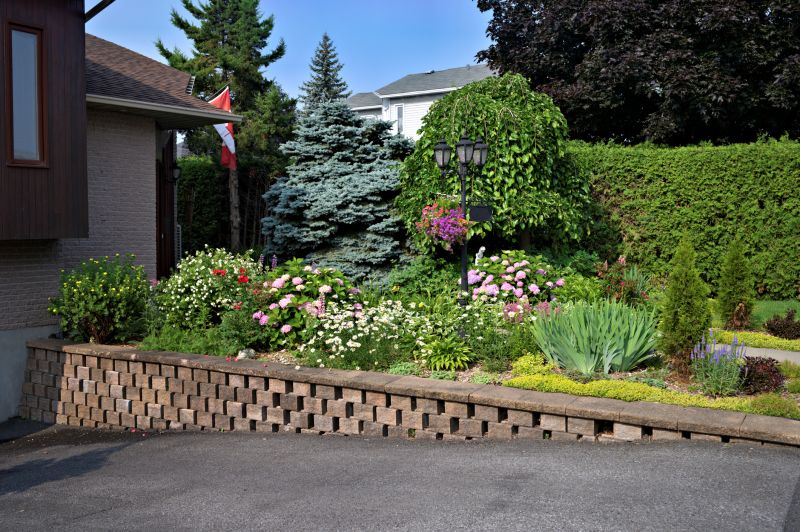
Start spring by clearly outlining your concrete retaining wall project to help local contractors recommend suitable options.
- Assess the site for proper drainage to prevent water buildup behind the retaining wall. - Ensure the chosen location has a stable foundation and minimal risk of soil erosion.
- Verify that the dimensions and height of the wall comply with local building codes and regulations. - Consult with local contractors to determine appropriate design specifications for your area.
- Plan for adequate reinforcement, such as rebar or geogrid, to enhance the wall’s stability and longevity. - Discuss reinforcement options with service providers experienced in concrete retaining wall installation.
- Check that the soil is properly prepared, including excavation and compaction, before pouring concrete. - Proper site preparation by local contractors can help prevent future structural issues.
- Consider the type of concrete mix and finishing techniques to achieve the desired aesthetic and durability. - Work with local pros to select suitable materials and surface finishes for your project.
- Ensure proper backfilling and drainage solutions are incorporated to reduce pressure on the wall over time. - Local service providers can advise on effective drainage systems to prolong the structure’s integrity.
Explore ideas for concrete retaining wall installation to help refine your spring project plans and scope.
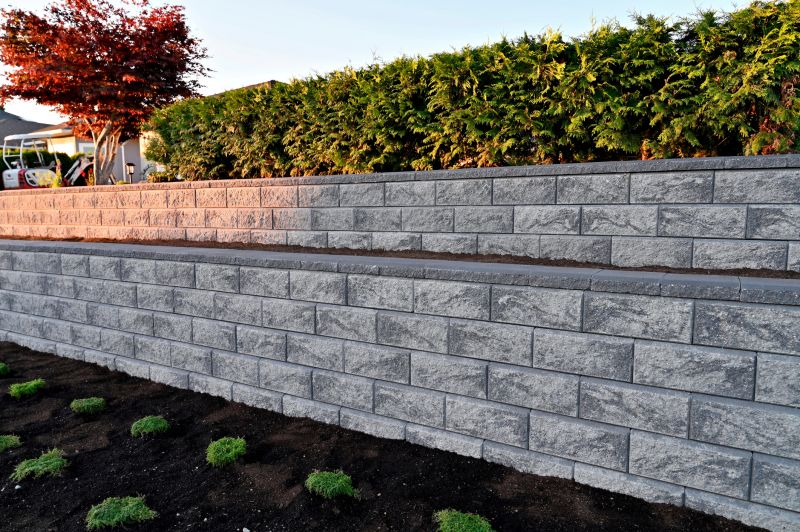
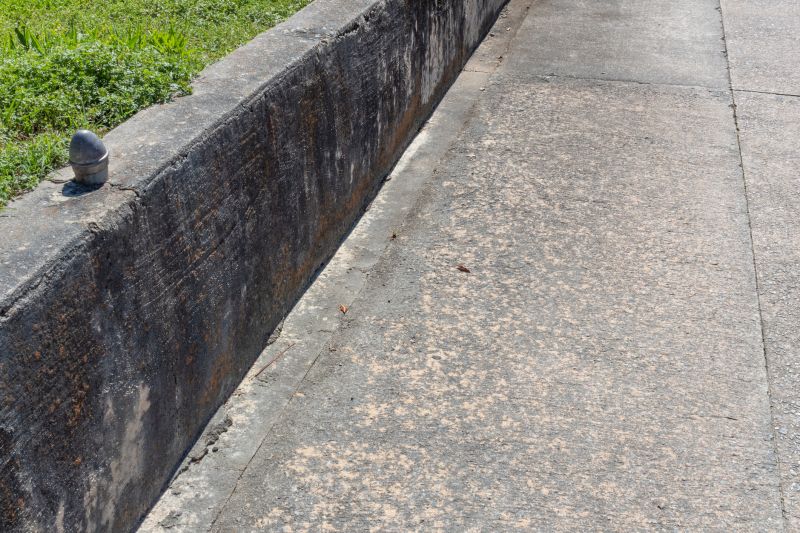
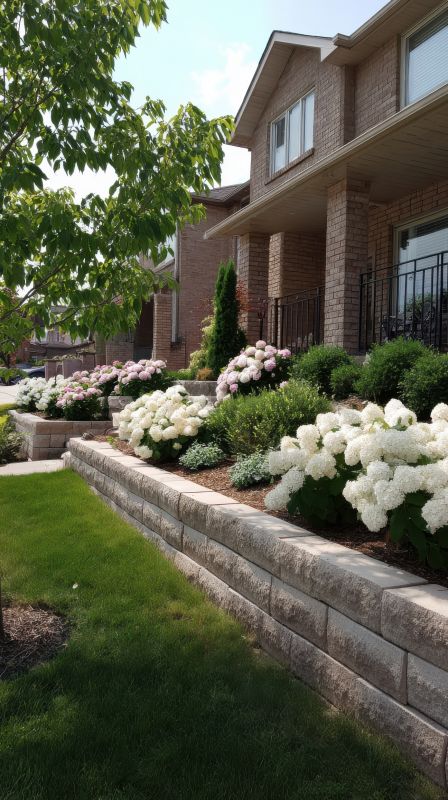
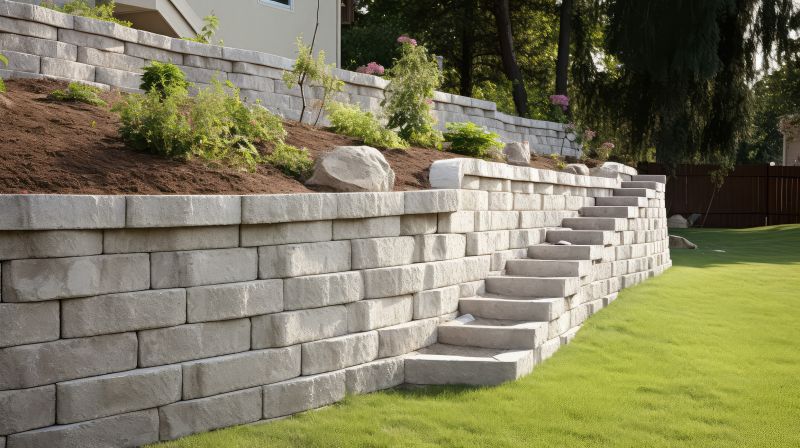
Prioritize your project goals and compare local contractors to find the best fit for your spring installation.
- Spring Garden Landscaping - Installing a concrete retaining wall can help define garden beds and create level planting areas for spring blooms. Local contractors can assist with designing and building durable walls that support your seasonal landscape updates. Terrace or Patio Construction - A concrete retaining wall can serve as the foundation for a new outdoor seating area, perfect for enjoying spring weather. Service providers can help ensure a stable and attractive structure to enhance outdoor living spaces. Soil Erosion Control - Spring's increased rainfall makes it an ideal time to install retaining walls that prevent soil erosion on slopes and hillsides. Local pros can provide solutions that protect landscaping and maintain property stability. Yard Grading and Leveling - A concrete retaining wall can assist in leveling uneven terrain to create functional outdoor areas for spring activities. Contractors can help achieve a smooth, safe, and attractive yard layout. Property Boundary Marking - Installing retaining walls can define property lines and add curb appeal as part of spring property improvements. Service providers are available to help with precise and lasting installations.
Compare local contractors consistently to find the best options for your concrete retaining wall installation this spring season.
- Design Specifications - Define the dimensions, height, and structural requirements of the concrete retaining wall.
- Site Assessment - Evaluate the terrain, soil stability, and drainage conditions to ensure proper installation.
- Material Selection - Choose appropriate concrete types, reinforcements, and finishes suitable for the project.
- Preparation Procedures - Outline the necessary site preparation steps, including excavation and foundation work.
- Installation Methods - Specify the construction techniques and sequence that local contractors should follow for proper assembly.
When considering concrete retaining wall installation during the spring season, it’s important to evaluate the experience of local contractors with similar projects. Homeowners should look for service providers who have a proven track record of completing retaining wall installations in environments comparable to their own. An experienced local contractor will understand the nuances of working with soil conditions, drainage considerations, and landscape integration specific to the area, helping to ensure the project’s success.
Clarity in the scope of work is a key factor when comparing local pros for springtime projects. Homeowners are encouraged to seek service providers who can clearly outline the scope, including materials, design options, and specific responsibilities involved in the installation process. Having a well-defined scope helps prevent misunderstandings and provides a solid foundation for evaluating how each contractor plans to approach the project, ensuring all expectations are aligned before work begins.
Work planning considerations are especially important during the spring, when weather conditions can impact construction timelines. Local contractors should be able to discuss how they plan to accommodate spring weather, such as potential delays caused by rain or temperature fluctuations. In addition, they should be prepared to coordinate project phases, including site preparation, excavation, and curing times, to ensure the project proceeds smoothly and efficiently within the seasonal window.
Evaluating options without focusing on pricing involves assessing the experience, scope clarity, and work planning strategies of local service providers. Homeowners can compare how well each contractor understands the project’s requirements, their approach to managing seasonal challenges, and the level of detail provided in their project descriptions. This approach helps identify professionals who are well-equipped to handle the specific demands of spring installation, leading to informed decisions based on expertise and planning rather than cost alone.
Request written details from local contractors to ensure clear scope and expectations for your spring retaining wall project.
- Scope Clarification - What specific features and materials are included in the concrete retaining wall installation?
- Experience Comparison - How do different local contractors' expertise and project portfolios vary for spring-focused retaining wall projects?
- Material Options - What types of concrete and finishing options do local service providers typically offer for retaining walls?
- Design Compatibility - How can local contractors help ensure the retaining wall design complements spring landscape updates?
- Installation Methods - What installation techniques do local pros use to ensure durability and stability during spring weather conditions?
What is a concrete retaining wall? A concrete retaining wall is a structure built to hold back soil or other materials, providing stability and preventing erosion in landscaping or construction projects.
Why choose concrete for a retaining wall? Concrete offers durability, strength, and versatility, making it a popular choice for retaining walls that need to withstand environmental elements and heavy loads.
What factors influence the installation process? The installation process depends on the wall's size, location, soil conditions, and design preferences, which local contractors can assess to plan the best approach.
How do local service providers prepare for spring installation projects? They typically evaluate site conditions, ensure proper foundation work, and select suitable concrete mixes to accommodate seasonal weather considerations.
Can a concrete retaining wall be customized for different landscapes? Yes, local contractors can customize designs, finishes, and heights to complement various landscape styles and functional needs.
What are common maintenance considerations for concrete retaining walls? Regular inspections for cracks, drainage issues, or structural damage help maintain the integrity of a concrete retaining wall over time.
This overview has highlighted the key aspects of concrete retaining wall installation, including the benefits of proper planning, the importance of quality materials, and the value of working with experienced local contractors. As spring presents an ideal time for outdoor improvements, exploring options now can help ensure your project aligns with your landscape goals. Using the quote form allows you to compare local service providers and find the right fit for your needs.
For those considering a concrete retaining wall this season, connecting with local contractors through the quote form can provide helpful insights and options tailored to your project. It’s a practical step toward understanding available services and making an informed decision to support your outdoor space’s development.
Providing clear details about your concrete retaining wall project helps local contractors understand your needs and plan effectively.
- Project Details - Information about the scope and size of the retaining wall project.
- Material Preferences - Details on the types of materials preferred for the installation.
- Site Conditions - Description of the location, terrain, and any existing structures or obstacles.
- Design Goals - Clarification of aesthetic or functional objectives for the retaining wall.